
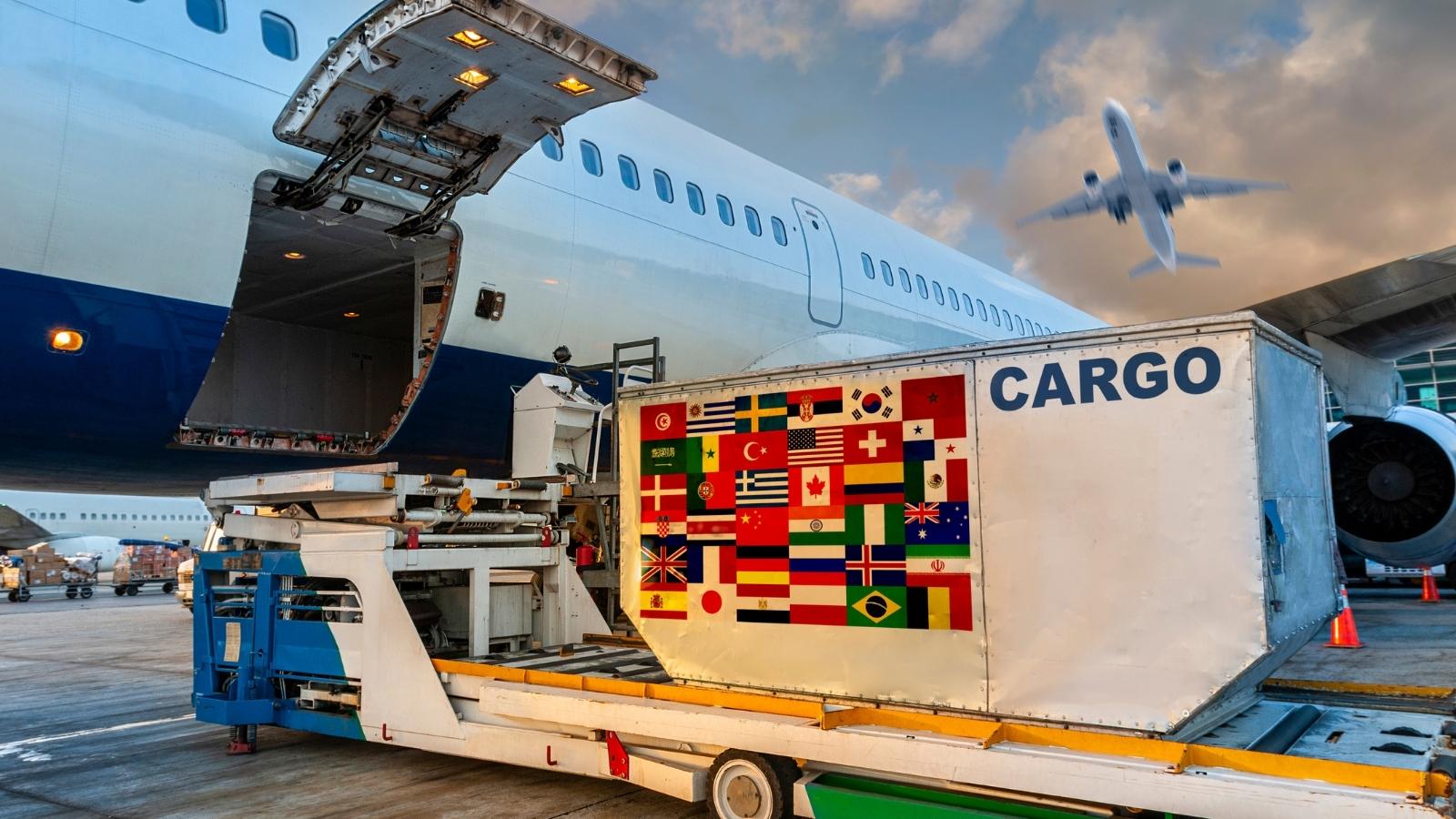
Q4 is the most unforgiving quarter in air freight. It always has been. But Q4 2026 arrives with a combination of structural pressures that make last year’s playbook insufficient.
Airlines now expect their combined fuel bill to rise nearly 40% in 2026, from $252 billion in 2025 to $350 billion, driven not by flying more but by jet fuel prices forecast to average $152 per barrel, up from $90 in 2025.
Simultaneously, a wide-body aircraft shortage limits both passenger and belly cargo capacity, and neither pressure is expected to ease before the holiday peak. Cargo yields are forecast to grow 6.5% in 2026 after three years of decline, which means carriers are protecting their positions earlier and more aggressively than in previous cycles.
For freight forwarders, the margin between a smooth Q4 and a damaging one comes down to one variable: preparation timing. The forwarders who move now are the ones whose clients ship on schedule in November.
Inside this article:
- Why Q4 2026 air freight capacity constraints are structurally different
- The key demand triggers freight forwarders must plan around
- A practical Q4 preparation framework for securing capacity
- When air cargo charter becomes the right contingency decision
When scheduled air freight capacity fails your most critical clients, having a charter partner already in place changes the outcome entirely. At ACC Aviation, our cargo charter division operates exactly for these moments. We have done it before, under real pressure, and we can do it for you.
Why Q4 2026 Is Different
Air cargo is not expected to see a traditional peak season this year, with softening consumer demand removing the catalyst for a major Q4 surge, despite booming hi-tech traffic providing a strong bedrock for the market. That sounds reassuring. It is not the full picture.
Forwarders expect some tightening in capacity and rates around China’s Golden Week in early October and again as Black Friday and Christmas approach. The tightening may be less dramatic than 2021 or 2022, but it will still be real, and it will compound against a cost base that is already elevated.
Three structural factors make Q4 2026 distinctly challenging:
- Fuel-driven rate floors. Fuel surcharges that air cargo carriers are applying have risen 44 to 290%, depending on the route, a range that signals just how uneven the impact is across different markets. Peak season surcharges will land on top of an already elevated baseline.
- Belly capacity compression. Passenger belly capacity on key corridors is constrained, even as freighter networks adjust. The switch from summer to winter airline schedules in late October will reduce belly capacity on key routes, particularly Europe-US, as allocations and block space agreements are reshuffled.
- Tender rejection rates. Tender rejection rates are still hovering above 13% heading into Q4, even after easing from early-summer highs, roughly the same territory as last year’s holiday peak. That gives carriers considerably more optionality over which freight they accept, which means freight forwarders without pre-secured space face real displacement risk.
The freight forwarders entering Q4 without a structured capacity plan are not just exposed to higher costs. They are exposed to their clients’ cargo not moving at all.
The Demand Triggers to Plan Around
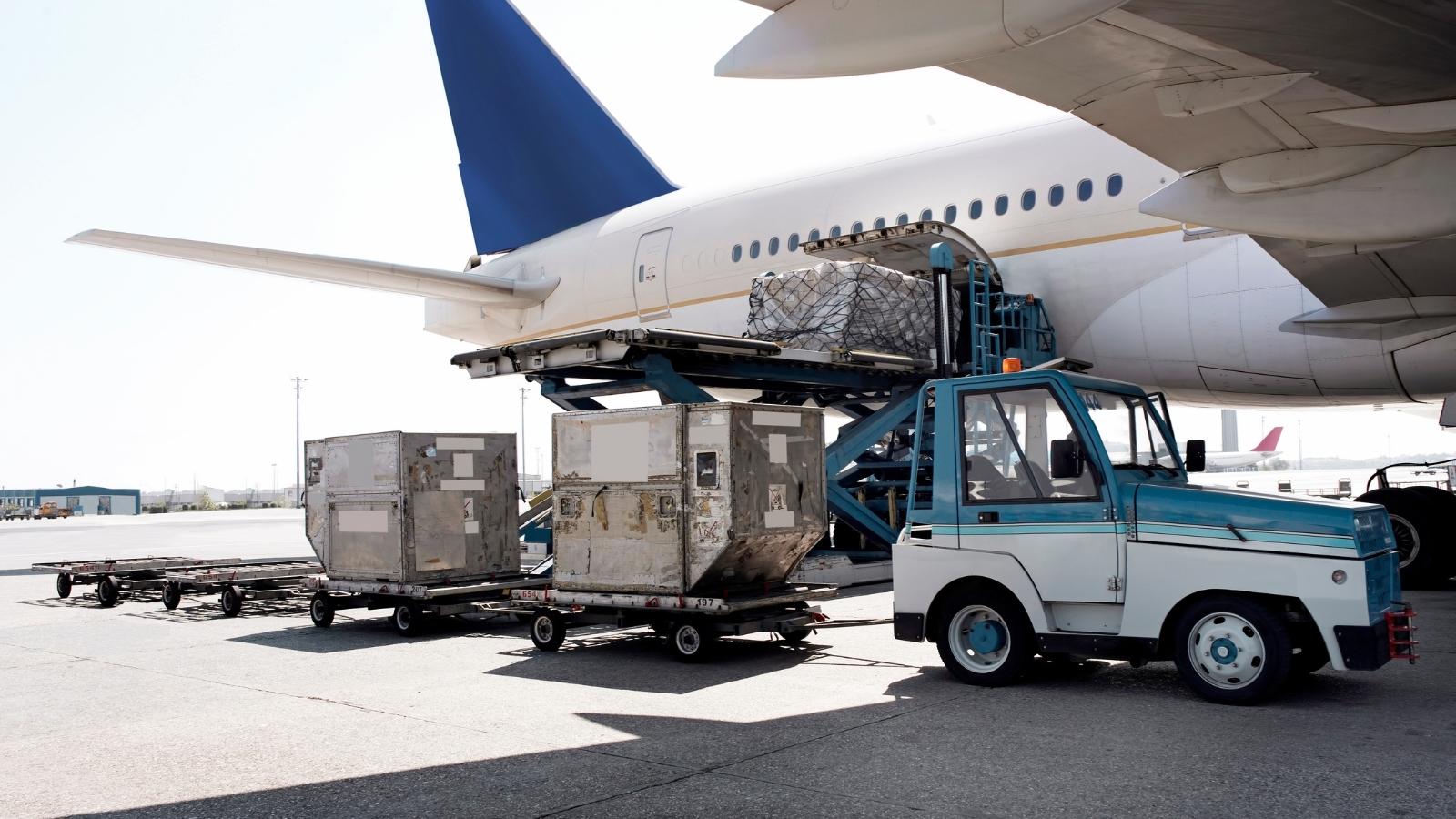
Q4 does not arrive as a single event. It builds through a sequence of overlapping demand triggers, each of which compresses available air freight capacity and drives freight rates upward. Planning around these dates is the foundation of effective Q4 preparation.
Q4 2026 Key Demand Calendar
| Date / Period | Event | Impact on Air Freight Capacity |
|---|---|---|
| October 1–7 | Golden Week (China) | Factory closures, pre-holiday cargo surge, capacity crunch from Southeast Asia |
| Late October | Airline winter schedule switchover | Belly capacity reduction on Europe-US and trans-Pacific corridors |
| Week 40 (early October) | Pre-Golden Week uplift | Booking lead times from Taiwan extend to 2–3 weeks |
| November (Black Friday / Cyber Monday) | E-commerce demand surge | E-commerce demand absorbs disproportionate shares of outbound capacity from manufacturing hubs |
| December | Holiday retail final push | Distribution centers reach capacity; last-mile pressure intensifies |
Golden Week runs from October 1 to 7, 2026. It causes factory shutdowns across China and Southeast Asia that create two simultaneous pressures: a pre-holiday surge as manufacturers front-load shipments before closure, and a post-holiday capacity scramble as production resumes and delayed cargo floods back into the system.
Red Sea diversions that started in late 2023 were estimated to have absorbed about 9% of global container capacity, and while partial normalization is possible, any resumption of Red Sea traffic will cause vessel bunching and congestion at European hubs, creating additional pressure on air freight as ocean freight shippers seek alternative routing.
For freight forwarders managing client cargo across multiple lanes, the bullwhip effect from last-minute bookings overwhelms carrier systems and planning. The antidote is visibility across all of these dates, built into your planning calendar now.
The Q4 Preparation Framework
The logistics directors and freight forwarders who consistently outperform during peak season share one characteristic: they treat Q4 as a logistics project with a defined preparation timeline, not a market condition they react to.
Recommended Q4 Preparation Timeline
| Timeframe Before Peak | Action Required |
|---|---|
| 8 weeks out | Analyze historical Q4 shipment data by lane, volume, and client priority |
| 6–8 weeks out | Secure block space agreements on critical lanes; approach preferred carriers |
| 4–6 weeks out | Confirm booking commitments with high-volume clients; segment by service requirement |
| 3–4 weeks out | Identify contingency routing options for lanes at highest displacement risk |
| 2–3 weeks out | Pre-arrange charter provider contacts for time-sensitive cargo scenarios |
| 1–2 weeks out | Monitor capacity trends weekly; communicate booking deadlines clearly to clients |
Specific actions that differentiate prepared forwarders from reactive ones:
- Secure block space agreements early. Securing block space agreements early is essential for managing peak season demands. Carriers offer better terms to forwarders who commit volume in advance, and block space arrangements provide guaranteed lift that spot market bookings cannot.
- Segment clients by service requirement. Allocating guaranteed lift to high-volume clients first is recommended during peak capacity constraints. Not every client has the same tolerance for delay, and not every shipment has the same revenue consequence if it misses a window.
- Separate base rates from surcharges in quotes. Dynamic pricing and transparent surcharge policies are vital during peak seasons. Forwarders who build quotes with surcharges clearly itemized protect their margins when peak season surcharges arrive unexpectedly.
- Diversify routing and carrier options. Diversifying routing and carrier options helps avoid congestion at primary hubs. Over-reliance on a single carrier or a single hub creates a single point of failure precisely when the market is most stressed.
- Build contingency buffers explicitly. Establishing contingency buffers helps manage sudden surcharges and capacity changes. A contingency plan that exists only in a spreadsheet is not a contingency plan.
Freight forwarders who monitor capacity trends weekly as Q4 approaches, rather than monthly, identify tightening windows 2 to 3 weeks earlier than those who rely on quarterly market reports. That lead time is the difference between securing space and chasing it.
When to Call a Charter Broker
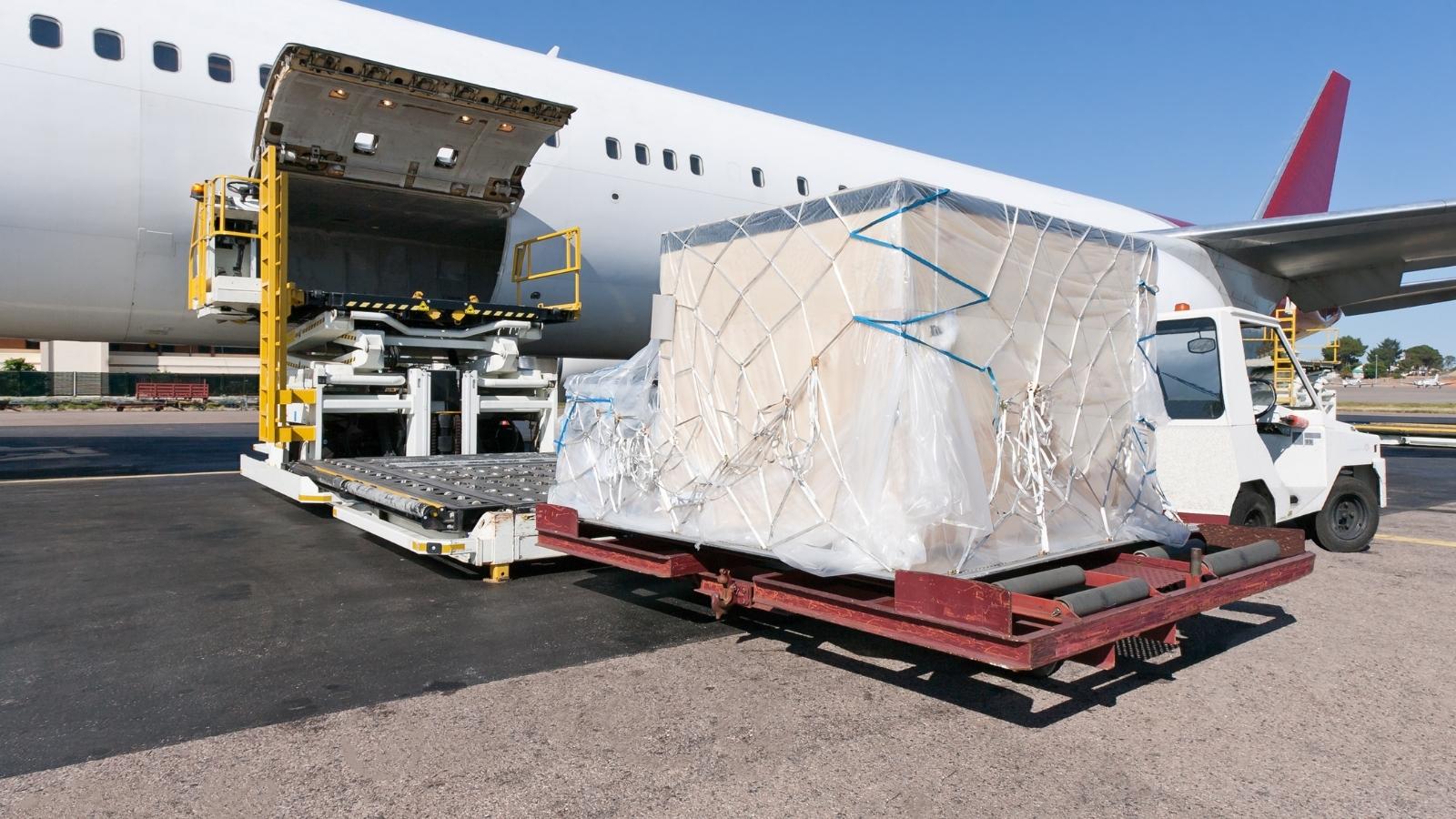
Scheduled air freight capacity planning is the foundation. Charter is the contingency. Knowing precisely when to activate it separates freight forwarders who deliver for their clients in Q4 from those who spend November apologizing for delays.
The signals that indicate a charter call is needed:
- Confirmed cargo that has been bumped from a scheduled flight with no alternative capacity available within the required window
- A client’s production schedule is at immediate risk due to a supply chain bottleneck that ground logistics cannot resolve
- Peak season surcharges on the required lane have made scheduled freight prohibitively expensive relative to the cargo’s value
- The destination airport lacks scheduled service that meets the delivery window, and secondary airports require a dedicated routing
- A force majeure event (geopolitical disruption, airline route suspension, Red Sea diversion escalation) has eliminated scheduled capacity on a critical lane overnight
The logistics directors who lock in flexible capacity now, rather than in November, are the ones who will move through peak season on schedule. The same principle applies to charter relationships. A charter broker contacted for the first time during a crisis takes longer to mobilize than one with whom a working relationship already exists.
Our cargo charter services and rapid air support capability are structured for exactly these activations. We maintain access to a global operator network covering freighter aircraft from narrow-body turboprops for regional urgent movements to wide-body 747 freighters for full project cargo loads. When scheduled capacity fails, we source, plan, and operate.
Real-World Charter Under Pressure: The PSM–STN Case
Understanding when to charter is theory. Watching it execute under real operational pressure is something else entirely.
In August 2026, ACC Aviation’s cargo charter division was appointed to coordinate the transatlantic transportation of a specialized aerospace load from Portsmouth International Airport at Pease (PSM) to London Stansted Airport (STN). The cargo was specialized, high-value, and subject to complex loading, customs documentation, and scheduling requirements.
Approximately 12 hours before the planned departure, the originally contracted Boeing 747 freighter experienced an aircraft-on-ground issue and became unavailable.
What happened next demonstrates what responsive cargo charter actually looks like:
- ACC Aviation immediately activated its global operator network
- Replacement Boeing 747 freighter capacity was secured in under 24 hours
- A temporary interline agreement was arranged to maintain continuity across customs and documentation
- ACC Aviation personnel were present on the ground throughout, keeping all stakeholders aligned
- The cargo was successfully transported with minimal impact on the client’s wider project
The key operational details that made the recovery possible:
| Challenge | Response |
|---|---|
| AOG on contracted 747, 12 hours pre-departure | Global network activated immediately |
| Replacement aircraft secured | Under 24 hours |
| Customs documentation continuity | Temporary interline agreement arranged |
| Specialized loading requirements | Coordinated with replacement operator and Port City Air |
| Client communication | Centralized through ACC Aviation on-ground personnel |
This is not an exceptional outcome for a well-prepared charter operation. It is what the right partner delivers as a standard. For freight forwarders building Q4 contingency plans, the question is not whether a disruption will occur. It is whether your charter partner can recover when one does.
Read the full PSM–STN case study for the complete operational detail.
Prepare Now, Deliver in Q4 with ACC Aviation
Q4 2026 air freight will tighten. Fuel costs are structurally elevated, belly capacity is constrained, and peak season demand triggers from Golden Week through Black Friday will compress available scheduled space on the lanes that matter most. The freight forwarders who enter Q4 with a plan, secured capacity, and a charter contingency already in place will be the ones their clients remember in January.
Here is the checklist:
- Begin Q4 capacity planning 6 to 8 weeks out, not 2 weeks before peak
- Secure block space agreements on critical lanes before Golden Week compresses availability
- Segment clients by service requirement and allocate guaranteed lift accordingly
- Separate surcharge structures in client quotes to protect margins during peak season pricing volatility
- Pre-arrange a charter partner relationship before the crisis that requires it
- Monitor capacity trends weekly through September and October
When scheduled air freight capacity runs out, your charter partner determines what happens next. At ACC Aviation, our cargo charter division combines global operator access, on-ground operational management, and concierge-level coordination for the shipments that cannot wait.
As the PSM–STN operation demonstrated, when an AOG disrupts a critical transatlantic movement 12 hours before departure, we recover it in under 24 hours. Contact our team now and let us build your Q4 contingency plan before the peak season rush begins.
Frequently Asked Questions
What is the outlook for air cargo demand in 2026?
IATA projects 2.6% global air cargo volume growth in 2026, with hi-tech and e-commerce demand supporting the market while fuel costs and belly capacity constraints keep rates elevated through Q4.
What are the biggest challenges in freight transport today?
Elevated jet fuel costs, belly capacity constraints, Red Sea disruptions, and peak season demand spikes are the primary challenges compressing air freight capacity and driving freight rates across global supply chains in 2026.
Which air freight company is the largest in the world?
FedEx is the world’s largest air freight carrier by fleet size. Other major players include UPS Airlines, Emirates SkyCargo, Lufthansa Cargo, and Cargolux, which dominate scheduled capacity on major international lanes.
What is the current demand for air cargo?
Booming hi-tech traffic is providing a strong bedrock for the air freight market in 2026, with steady e-commerce volumes and semiconductor shipments sustaining demand even as broader consumer goods volumes soften.
When should freight forwarders book Q4 air freight capacity?
Book shipments 4 to 8 weeks before peak periods. Securing block space agreements 6 to 8 weeks out protects against Golden Week and Black Friday capacity constraints and avoids peak season surcharge exposure.
What is a cargo charter and how quickly can one be arranged?
A cargo charter is a dedicated aircraft hired for a single shipment. With the right operator network, replacement capacity can be secured in under 24 hours, as demonstrated in ACC Aviation’s PSM–STN transatlantic operation.
